

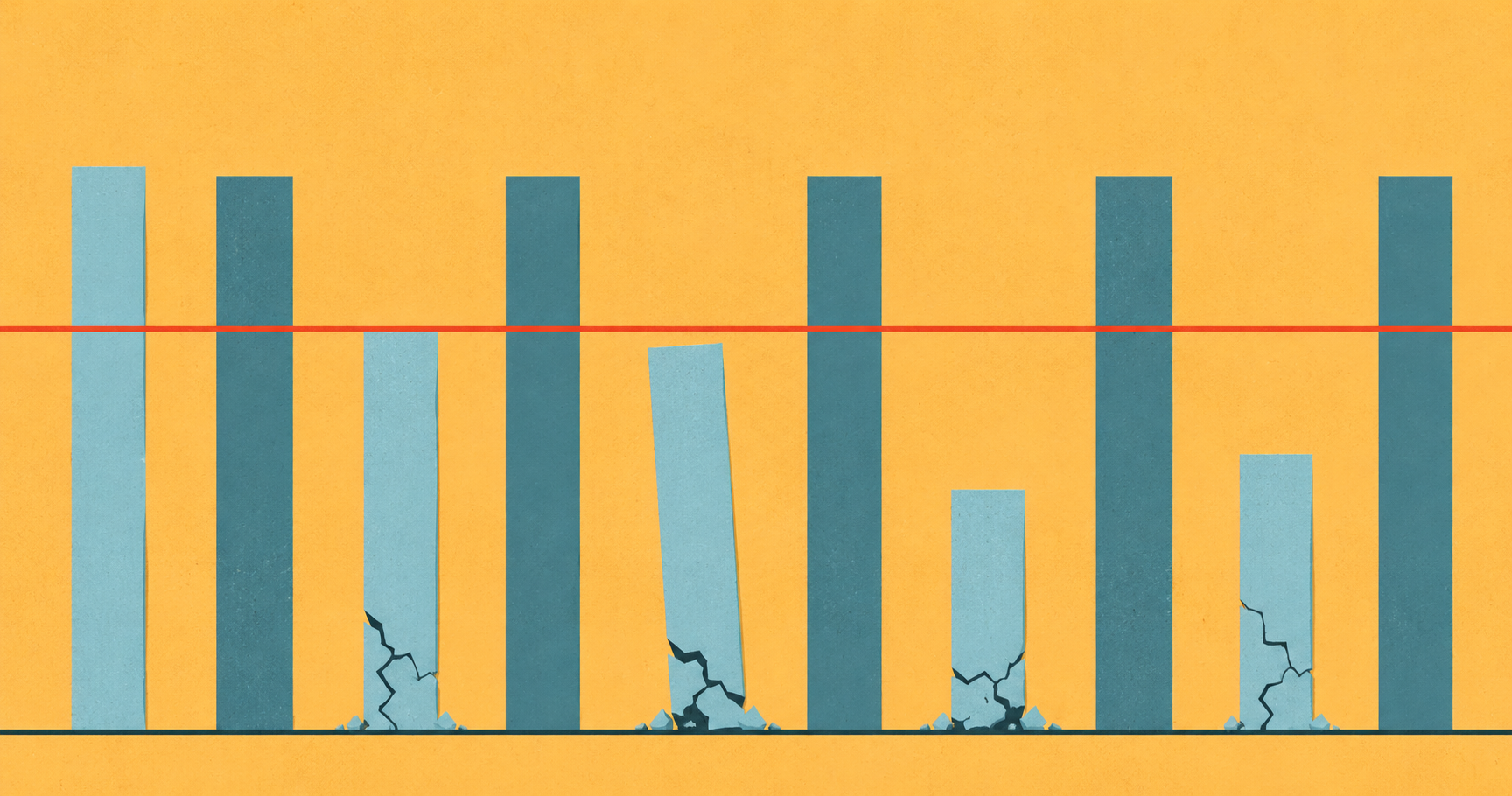
CMS approved more than 150 organizations for the ACCESS model in April. It launches this summer. Here's what nobody is saying out loud. Most of those companies are going to lose money on this thing, and a lot of health system CFOs are about to find out they picked the wrong virtual care partner.
For the record, we are not on the 150 list. Welby is pending medical group approval and we are launching into ACCESS in July alongside the rest of the field. I'll get to why I think that's a good place to be in a minute.
The ACCESS model pays providers a recurring rate to manage patients with chronic conditions like hypertension, diabetes, cholesterol, depression, anxiety, and musculoskeletal pain. But the full payment only kicks in when the patient actually improves. Blood pressure has to come down. A1c has to come down. The model is paying for outcomes, not for the number of devices you shipped to a patient's kitchen counter.
This is the thing the industry has been pretending it was already doing. We weren't. RPM, for the most part, has been a very well-marketed billing engine. Ship a cuff. Bill the codes. Run a 5-minute attestation call. Repeat. Most of the companies I know in this space built their P&Ls on volume and never had to prove a single clinical outcome.
I'll say it. ACCESS is going to expose that.
Here's why I'm not nervous about it for Welby, and why I think a handful of operators are going to be very profitable on this model while the rest of the field bleeds.
The whole reason ACCESS works financially is unit economics. If your variable cost per patient is high (a lot of nursing time, a lot of devices, a lot of touchpoints), you need a high outcome hit rate just to break even. If your unit economics are lower because you've actually built clinical AI agents that handle the right slice of patient outreach, risk stratification, and follow-up, your hit rate doesn't have to be perfect to be profitable. We've spent the last 18 months building exactly that.
We're going into ACCESS with AI agents doing the work that volume RPM companies are still trying to throw nurses at. Clinical decisions still happen with a human in the loop. That's our hard line and it's not negotiable. But the surrounding workflow that drives engagement, screening, and follow-up runs faster and cheaper at our end. That changes the math enough to flip the model from a margin trap into a profitable program. A few of our existing health system partners are already in conversation with us about being their preferred partner on it.
I'm not claiming we've got it all figured out. We don't. I'd rather be running this model with our cost structure than with the typical RPM-only structure that needs significant per-patient revenue just to keep the lights on. Verify any specific number you see floated about that, I'm describing what I see in the market, not citing a study.
A couple of things should be obvious to anyone running a health system right now.
If you've been telling your board your chronic care vendor is "value-based," now is the moment to actually look at their outcomes data. Ask them to show you A1c reduction on their diabetes book over the last 12 months. Ask them for ED visit and readmission deltas on the patients they touched. If they show you engagement metrics and "patients enrolled" instead, you have a billing partner, not a clinical partner. There's a real difference. ACCESS just made it a financial one.
And if you're a health system thinking about joining ACCESS through a partner, the harder question is who is actually doing the clinical work. Not the dashboards. The work. Who is making the call to a 68-year-old with uncontrolled BP at 9pm on a Tuesday? Who is titrating? Who is documenting back into your EHR? If your answer is "our vendor handles it," then make damn sure their staffing and tech model can actually move the numbers. A lot of them can't.
What you should do on Monday morning. Pull your virtual care contracts. Look at the clinical outcome reporting requirements you actually signed up for. If they don't exist, you have a vendor problem, not a model problem. Then call your CMO. Find out which of your chronic populations actually have outcome data in your EHR right now. If you can't answer that in 48 hours, your data infrastructure is your bottleneck, and ACCESS is going to be painful for you regardless of who you pick.
My honest bet is that 30 to 40 percent of those 150 approved participants quietly disengage by mid 2027 because the unit economics don't work for them. That's a guess. But I've watched this movie before with the RPM bubble and the bundled payment pilots. People sign up for the pretty headline. Then they hit the math.
The wheat is about to separate from the chaff. There are going to be only a handful of operators who actually make ACCESS work for themselves and for the health systems they partner with. I'm betting Welby is one of them, and we're showing up in July to prove it.
That's what I'd tell my own board. And it's what I'd tell yours.
