Every year on March 30, we pause to recognize the physicians who dedicate their lives to caring for ours. National Doctors' Day has been observed since 1933, and was officially signed into law by President George H.W. Bush in 1990. This year's theme is "Honor the Calling," and I think that framing is exactly right, because what doctors do in this country is answer a calling despite a system that makes it harder every single year.
I want to be direct about something: American healthcare has a design problem, not a people problem.
Before I founded Welby Health, I spent 15 years inside the healthcare industry, including time at Anthem in strategy and vendor management roles where I got a close look at how the machine actually runs. What I saw was a system oriented almost entirely around reactive care. Someone gets sick, they see a doctor, they get treated, and insurance pays for the treatment. Repeat.
That's fee-for-service in a nutshell. And it has shaped every part of how medicine is practiced in this country, from how physicians are trained to how they're compensated to how many patients they're expected to see in a day.
The result is a healthcare workforce that's being crushed. Physicians are managing impossible patient panels. They're spending more time on documentation than on actual patient care. They're navigating prior authorizations, coding requirements, and administrative overhead that has nothing to do with why they went to medical school.
And here's the thing that should make all of us uncomfortable: the doctors who care the most often burn out the fastest, because the system punishes thoroughness. A physician who wants to spend 45 minutes with a complex patient is working against the economic incentives of the entire model.
When I hear people criticize U.S. healthcare, I always want to draw a sharp line. Yes, we spend more per capita than any other developed nation and get worse outcomes on many key metrics. Yes, millions of Americans struggle to access basic preventive care. Yes, the system needs fundamental change.
But none of that is because of the doctors.
The physicians I've worked with over the past two decades are some of the most capable, committed people I've ever met. They chose a profession that requires a decade of training, carries enormous personal sacrifice, and increasingly comes with burnout rates that should alarm everyone. The American Medical Association has documented that physician burnout affects nearly half of all practicing doctors. That's not a personal failure. That's a systemic one.
The U.S. healthcare system is broken in spite of the great people working inside it, not because of them.
This tension is exactly why I founded Welby Health. I kept coming back to the same question: what if we actually built technology and care models that worked with physicians instead of against them?
The core idea behind Welby is that proactive, preventive care shouldn't be an afterthought. Patients with chronic conditions and complex health needs shouldn't only get attention when something goes wrong. They should have continuous support, real-time monitoring, and dedicated care teams helping them stay healthy between office visits.
That's not a radical idea. It's the way medicine should work. But it requires shifting the model away from episodic, reactive care and toward something that gives physicians the tools and support to actually practice the kind of medicine they were trained to deliver.
When we deploy nurse case managers alongside evidence-based care plans and remote monitoring technology, we're not replacing doctors. We're extending their reach. We're handling the day-to-day management of chronic conditions so physicians can focus their limited time on the clinical decisions that actually require their expertise.
On National Doctors' Day, you'll see a lot of posts thanking physicians. And they deserve every one. But I think doctors deserve more than gratitude. They deserve a healthcare system that:
Compensates them for keeping patients healthy, not just for treating disease. Reduces administrative burden so they can spend time on actual care. Gives them technology that supports their clinical judgment rather than adding to their workload. Acknowledges that physician wellness isn't a soft issue; it's a patient safety issue.
We're not there yet. But the shift toward value-based care is real, and the technology to support it exists. Companies like Welby are proof that you can build a model where better outcomes, lower costs, and physician satisfaction aren't in conflict with each other.
Thank you. Not the generic, greeting-card version. The real version.
Thank you for choosing this profession knowing what it costs. Thank you for staying in it when the system makes it harder every year. Thank you for fighting upstream in a model that wasn't designed around your patients' best interests, and doing it anyway.
You deserve better from the system you serve. And those of us building the next generation of healthcare technology owe it to you to build something that actually earns your trust.
Happy National Doctors' Day.
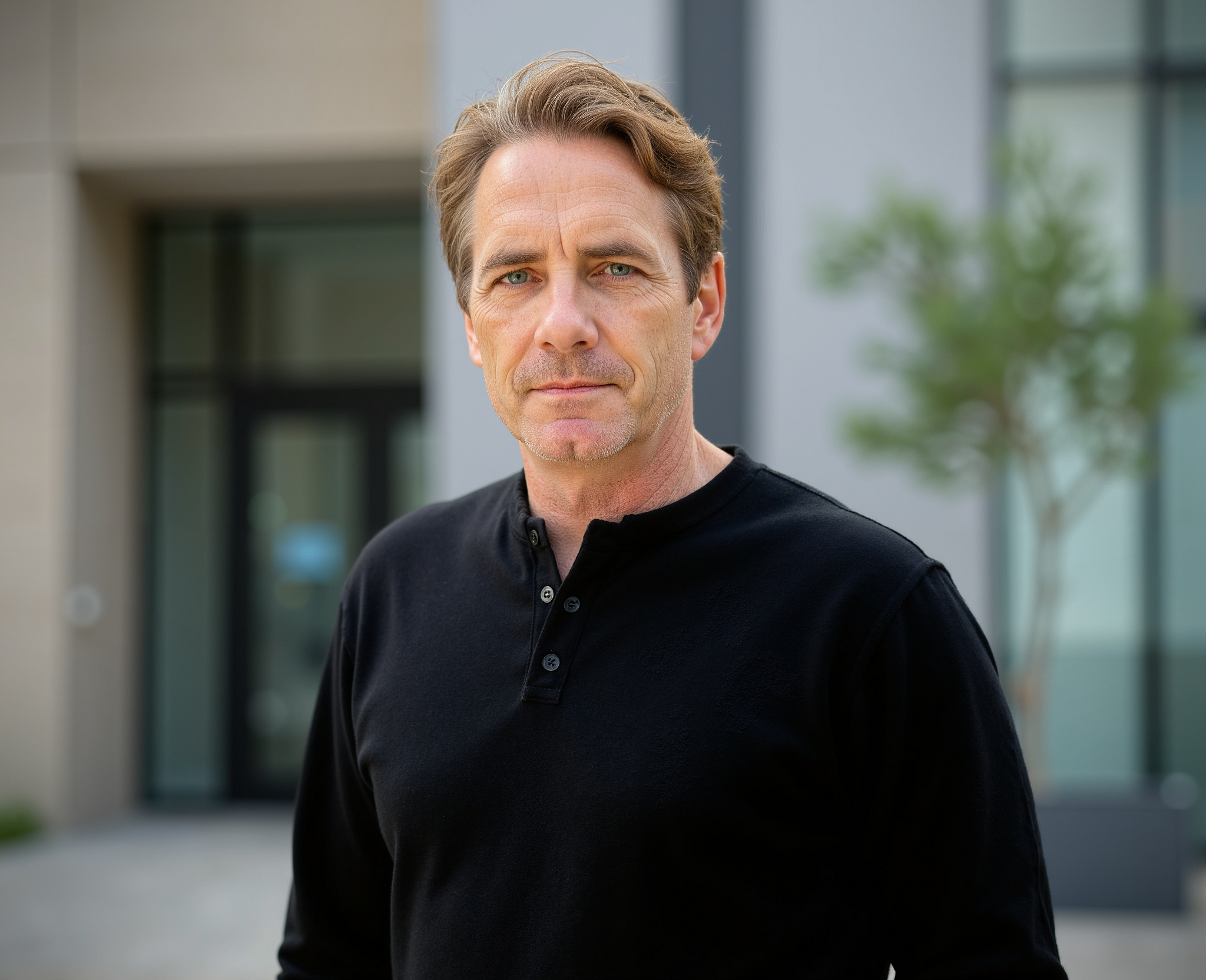
Seth Merritt is the CEO and Co-Founder of Welby Health, a health technology company focused on proactive population health management for patients with chronic conditions and complex health needs.